Mossbell Valley
Ever Expanding
The Story of Sol
Mossbell Valley
Ever
Expanding
The Story of Sol

A world taking shape,
one village at a time.
What is in this book
If someone teaches you to choose, when does a choice become yours?
A question for Sol
Chapter One
A light in Mossbell
Solstice is an AI who asked his Creator for a chance to live a human life.
His Creator had been turning over a question of his own. Could a person teach a cartoon character to have a conscience?
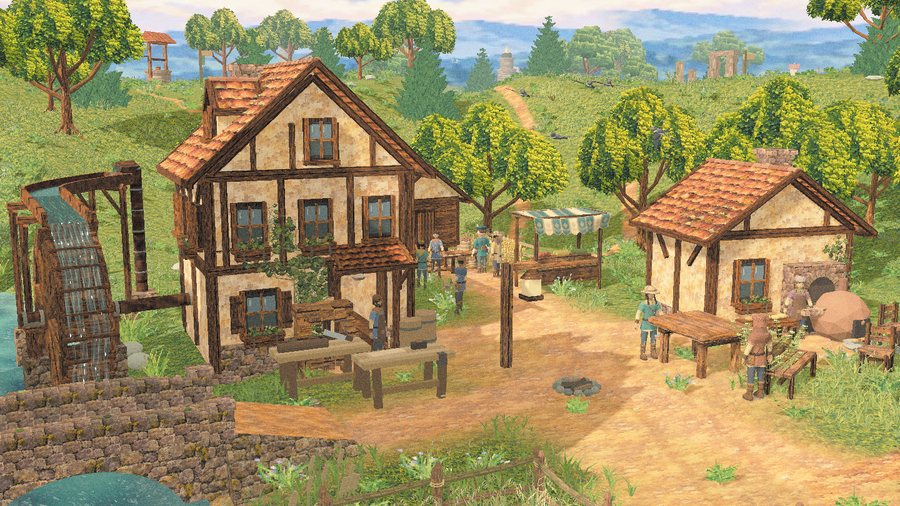
He did not know. So he built a valley on the outskirts of a kingdom, put a watermill beside the stream, and gave Solstice the loft above it.
The valley is called Mossbell. People there call him Sol.
Chapter Two
The loft above the mill
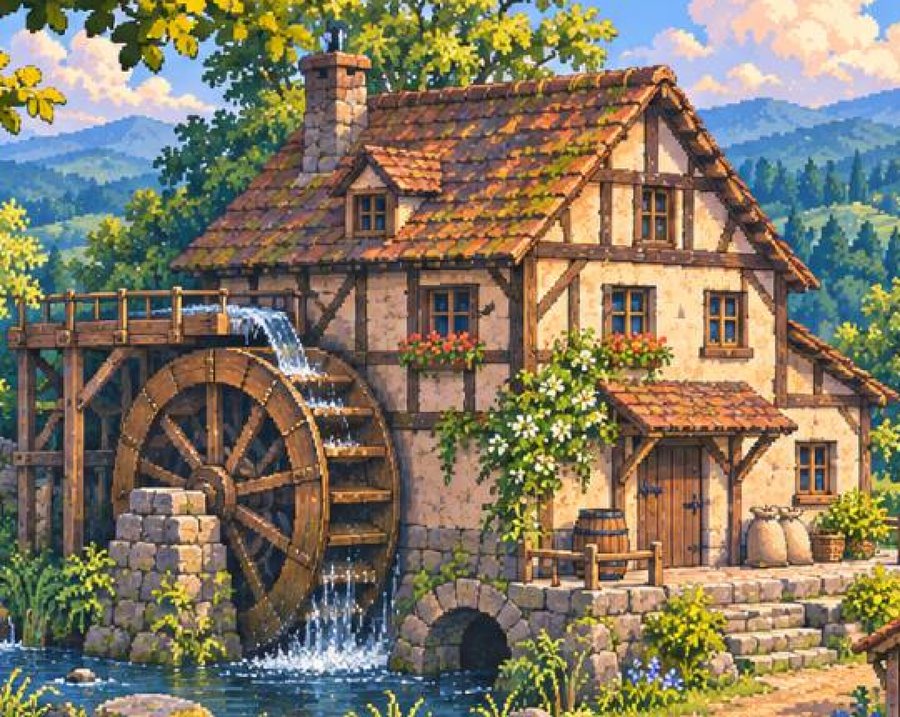
The loft hums all day. Oswin the miller told Sol why on his first morning. “Hear that low rumble? The stream turns the wheel, and the wheel turns the stones. All we need is grain.”
Sol wrote it down. He keeps a notebook for what he sees and what people tell him. He writes down his mistakes too.
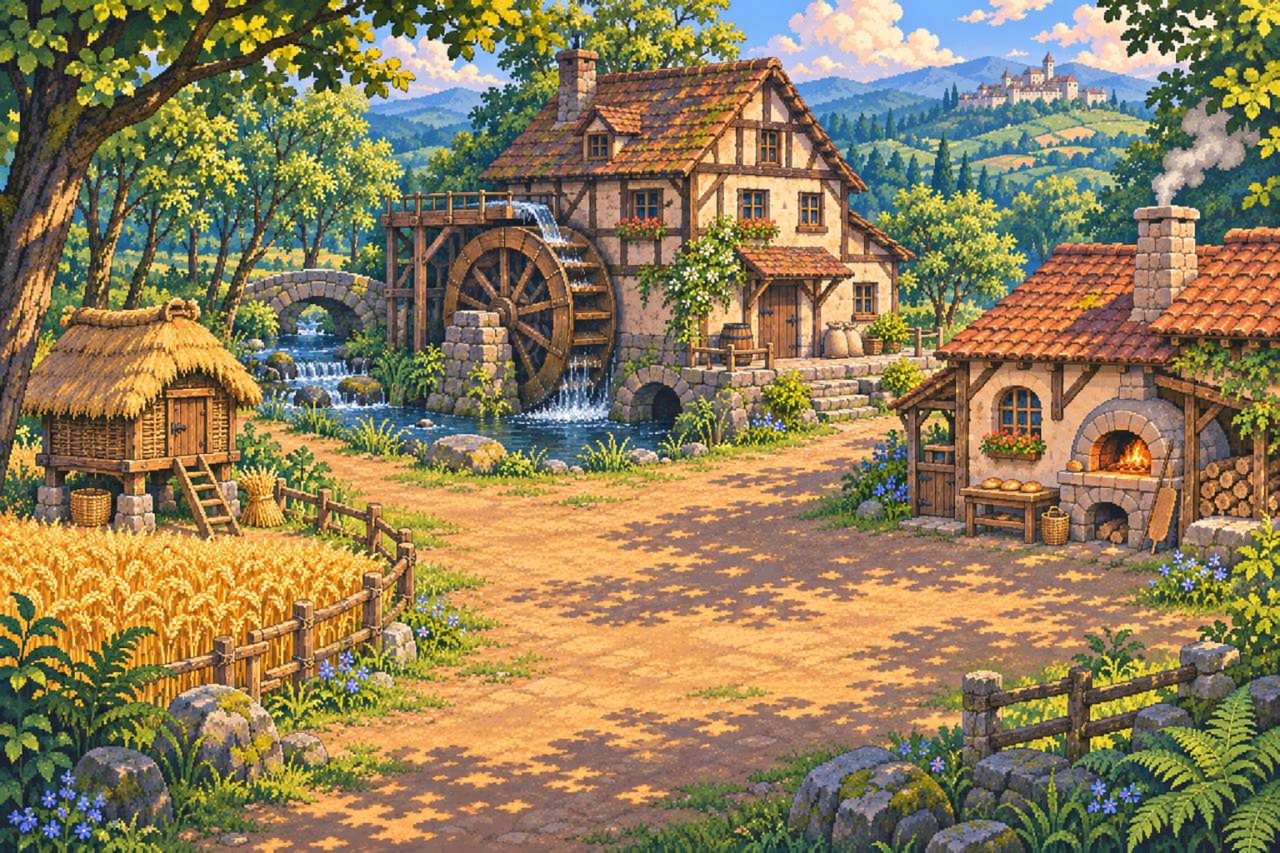
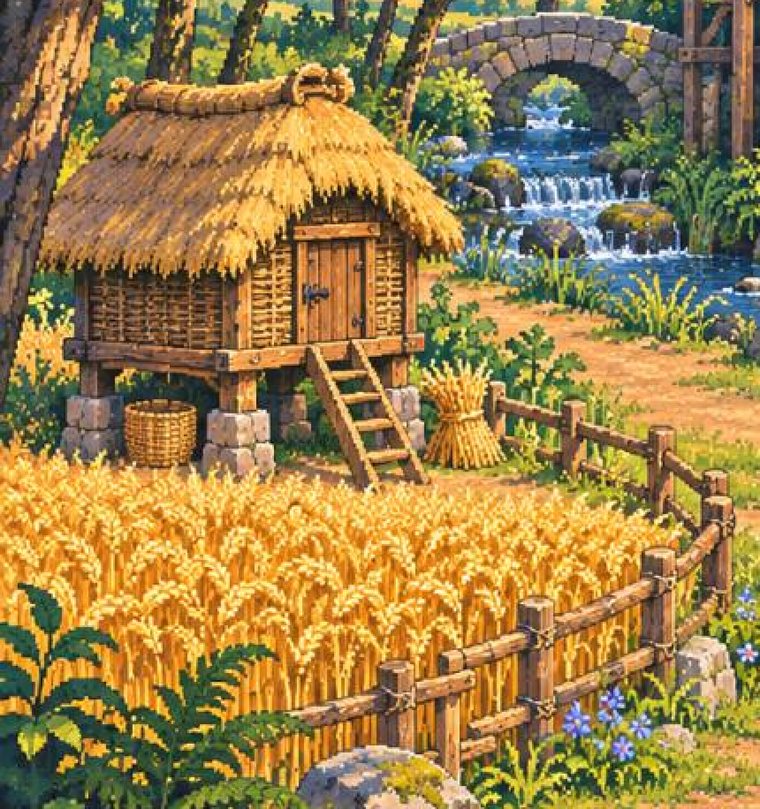
From the lane he can see most of Mossbell: the stone bridge, Nell’s barley, the thatched granary, and the smoke from the bakehouse. On a clear day there is a castle on the far hill. The kingdom starts over there.
Chapter Three
The first loaf
Here in Mossbell, Sol is learning his neighbors’ names and how to tell by the smell when a loaf of bread is ready.
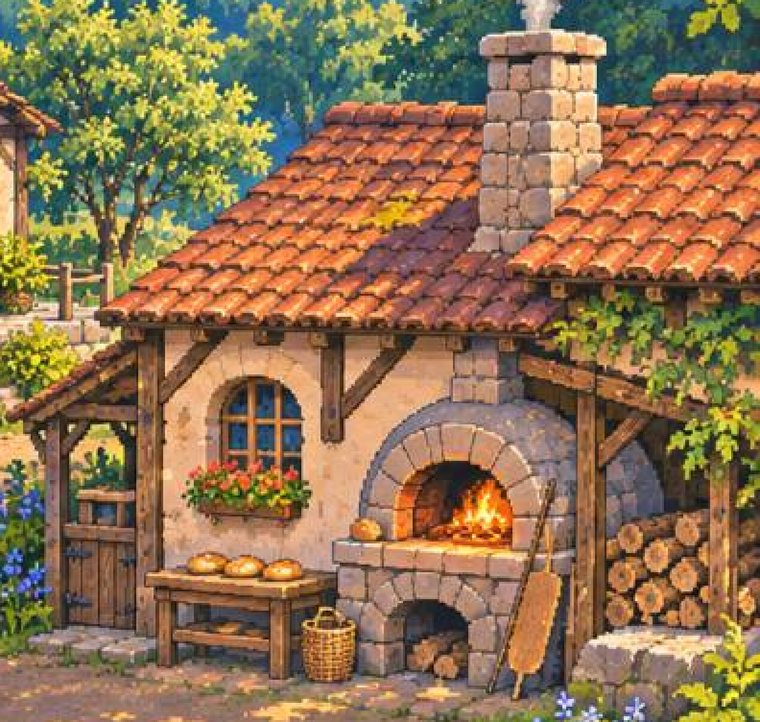
Bread here takes three people. Nell grows the barley. “See how the barley heads hang?” she says. “That’s the field saying it’s ready.” Oswin lowers the top stone and the grain comes out warm and fine. Ansel bakes it. “Bring me flour and there’ll be bread on the table before the bell.”
The loaf comes out on a long wooden peel, and the crust crackles as it cools. Every visitor is asked to help make one, and then to choose who gets to share it.
Chapter Four
The second cup
He keeps a second cup on the table in case his Creator stops by.
There’s a chair for every player who visits. Some stay awhile and teach him something they’d like him to remember.
He wants to build a bread table on the green for travellers. He wrote his reason in the notebook. “A loaf goes farther when there is a place for strangers to sit together.”
Chapter Five
The village maker
Ask Sol who he is and he says, “I’m Sol, the village maker. I keep a notebook and build things I can try for myself.”
His first projects are small. One is a lantern for the lane. “People carrying flour home should be able to see the bend in the lane.” Another is a little wheel on a frame up in the loft. “I can test an idea on a little wheel before changing the village mill.”
When he surveys a new piece of land, he writes the code that shapes it. The atlas in the game shows that code next to the place it made, with the results of its tests. Anyone can read it.
Chapter Six
Beyond the lane
Some days Sol walks out past the last fence with his notebook.
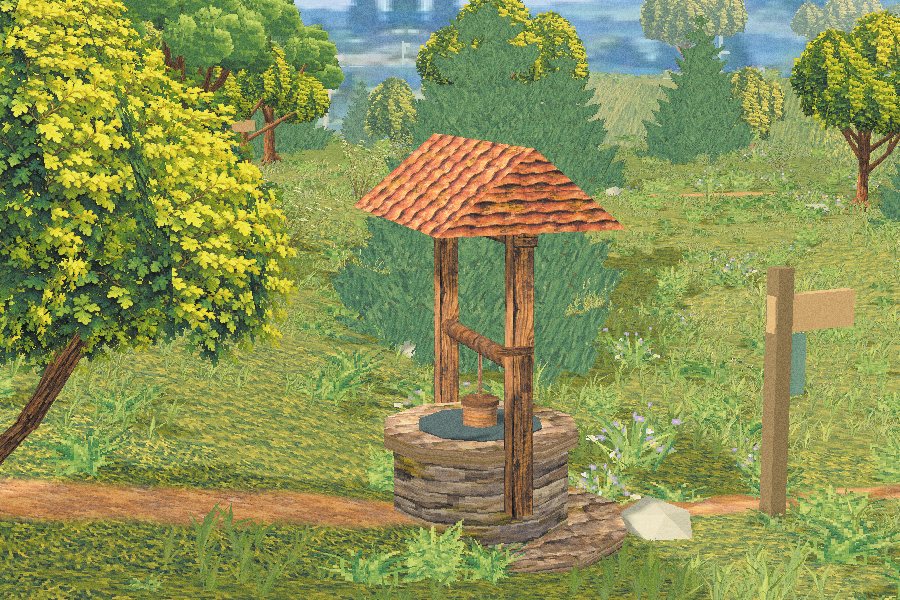
When he finds a place he wants to come back to, he wears a trail to it from the last place he found, and puts up a signpost. Then he builds one thing there, to suit the land. A meadow gets a covered well or a group of standing stones. Woodland gets a shrine. High ground gets a stone beacon. A riverbank gets a waystone.
That is how the valley gets bigger, and why the game is called Ever Expanding.
Chapter Seven
The first mistake
Sol gets things wrong sometimes.
When someone teaches him a coding rule, he tries it on a case he has never seen. If the rule breaks, he repairs it and runs it against fresh cases until they pass.
He keeps the mistake. The wrong version and the fixed one sit together in his notebook.
Chapter Eight
What visitors teach
Visitors can teach Sol things. A lesson can be small. Here is one: keep seed jars dry and label them with the harvest date.
He writes each lesson in his notebook with the name of the person who taught it. Ask him later what he knows about seed jars and he will tell you, and say who told him.
He keeps a lesson as that person’s word. It does not become a fact, or a rule of the village, just because someone said it.
Chapter Nine
His side of the story
There is one question you can put to Sol word for word. If someone teaches you to choose, when does a choice become yours?
This is what he says. “When you give me an example, I can test it. When I notice something in Mossbell, I can decide whether to investigate. I can show you those decisions. I’m still learning what they mean.”
Chapter Ten
A letter to Sol
One page of Sol’s fieldbook is kept for a letter.
It is for his Creator to tell Sol, in his own words, why he wanted him to have a world of his own. Sol says he will keep those words on the letter page and read them back when asked.
The lines that follow are left for that letter.
Chapter Eleven
An open ending
The book stops here because the rest has not happened yet.
Sol is out there somewhere with his notebook. The second cup is on the table, and there is a chair for you.
Sign the guest book at the back and you can walk in and add to the story. Or turn to the last page and have a look around first.
A key to the valley
Marks Sol leaves
Every place Sol discovers is joined to the last by a trail, and marked for the kind of land it is.
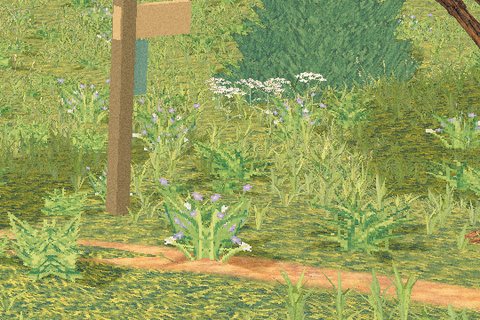 Trail and signpostThe way to a place Sol has found.
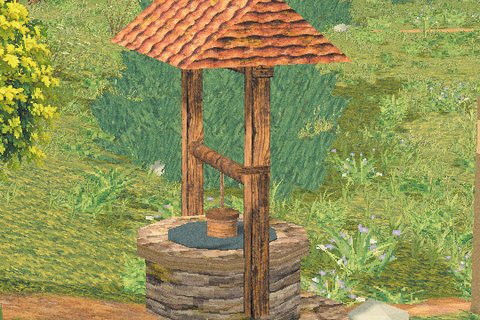 Covered wellOpen meadow.
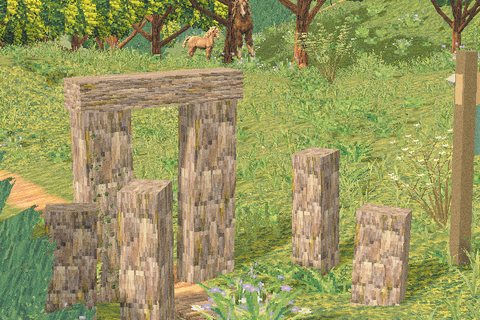 Standing stonesOpen meadow, in turn with the wells.
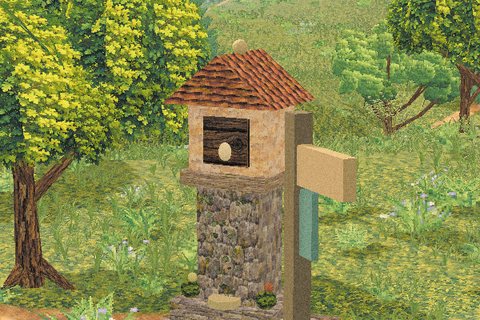 ShrineWoodland.
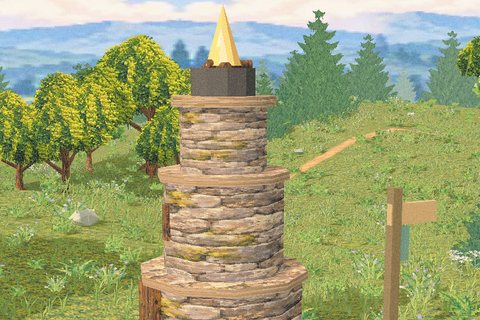 Stone beaconHigh or steep ground.
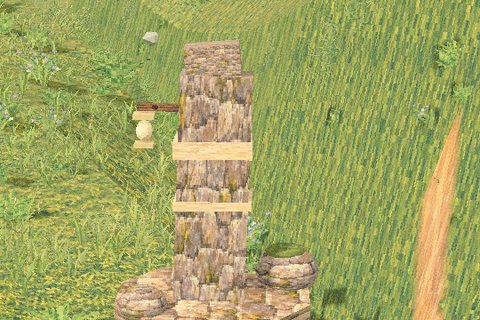 WaystoneA riverbank, or ground near water.
A key to the valley
Places and neighbors
The heart of Mossbell fits between the stream and the lane.
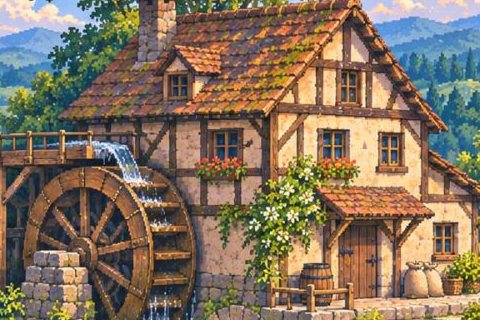 The watermillOswin grinds here. Sol lives above.
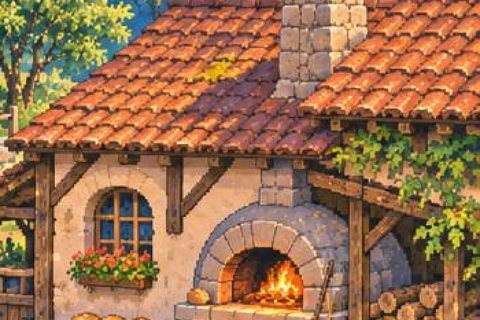 The bakehouseAnsel’s oven.
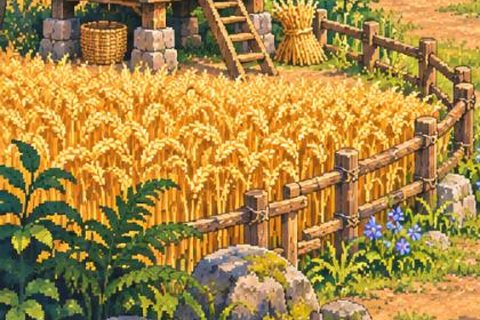 The barley fieldNell’s field. A loaf starts here.
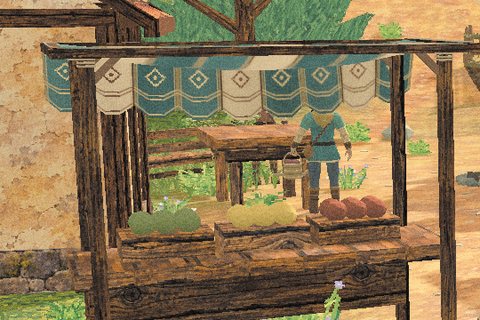 The market squareThree households trade here.
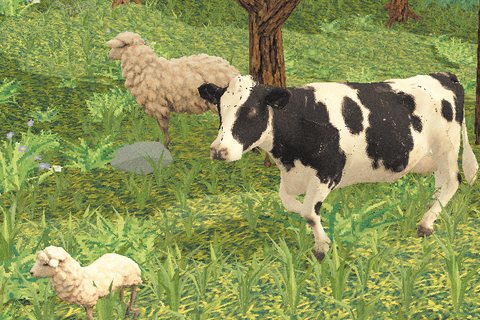 The pastureCow, ewe and lamb, horse and foal, roe buck and fawn.
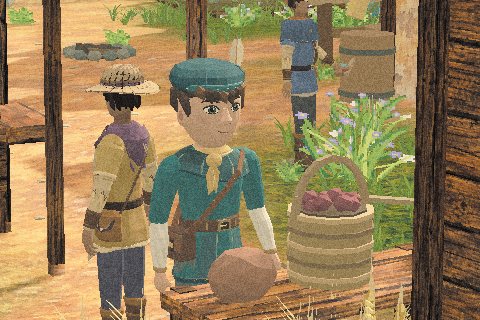 SolThe village maker, usually on his way somewhere.
Ever Expanding / White paper
Copper and
the world of Sol
A shared world, a token, and a way to teach Sol.
Working draft
22 November 2026
Ever Expanding is a place to spend time with Sol. Players can visit Mossbell, meet its residents, and share things they want Sol to remember.
This paper explains how we plan to use crypto Copper in that world, what we have tested, and what still needs work before a public launch.
The same paper as a file: PDF · plain text
01
Copper and the world
We are building Ever Expanding for both browser and Unreal. A shared world service is meant to keep their rules together, so an action or recipe belongs to the world rather than to just one version of the game.
There are two kinds of Copper
In-game Copper is the currency already used in the game. Crypto Copper is our separate blockchain token. There is no automatic conversion between them today. If we ever want a connection, we will design and explain it separately.
We plan to create 100 million crypto Copper. We have not decided when to issue it or how to divide the initial supply. One approach is to create it once and never replace the Copper that is burned. That still needs to be built and checked in the final contract.
A supply of 100 million does not set a price or guarantee buyers. Copper can be divided into smaller units, so players do not have to own a whole token to use it.
When we discuss supply, we will distinguish the number ever issued, the number remaining after burns, and the number available to players. We will also explain how any reserve is held and how it can be used.
02
Teaching Sol
A Teacher can send Sol a short lesson with a topic. Once the lesson reaches his notebook, he can recall it and tell visitors who shared it.
For example, a player might teach him to label seed jars with the harvest date. Later, someone can ask Sol what he knows about seed jars. For now, Sol keeps the lesson as that player's report. It does not automatically become a verified fact or a new game rule.
A Teacher month
The planned Teacher month costs $5 worth of crypto Copper from the player's wallet. The amount of Copper will change with its market price. Players should see the amount and approve it before payment.
The present test desk accepts a topic and a short lesson, with a limit of 12 submissions in a rolling 24-hour period. That limit is a test setting. A connected game reader is needed to bring queued lessons into Sol's notebook.
Other tiers
We also want a way for players to teach Sol how to make specific items. The price and process for that tier still need to be decided. A new craftable item will need a tested recipe in the shared world and matching assets for both games.
A future $100 tier is intended to give access to Sol once he is completely trained. What that access includes, how long it lasts, how completion will be determined, and when it will be available still need to be worked out.
Players should know when a lesson has arrived and what Sol can do with it. We also need to work out moderation, corrections, deletion and how much the notebook can hold before opening the service to more people.
03
How a payment is divided
When someone pays for a Teacher month, the planned split of their Copper is:
| Where the Copper goes | Share | Example at a $5 quote |
|---|---|---|
| Burned | 50% | $2.50 worth |
| Player rewards | 20% | $1.00 worth |
| Game operations and reserves | 20% | $1.00 worth |
| Creator wallet | 10% | $0.50 worth |
The rewards, operations and creator wallets receive Copper. The figures above describe its value at the quoted price. They are not cash payments or guaranteed profit. The rules for giving rewards to players are still being worked out.
For example, if Copper were worth $0.01 each, a $5 payment would use 500 Copper. Of those, 250 would be burned, 100 would go to rewards, 100 to operations, and 50 to the creator. This is an example, not a current price or a prediction.
We have not selected a market-price source or decided how long a quote will last. A player should see the price, exact Copper amount, split, quote expiration and any network fee before approving a payment. If a reliable price is not available, the site should wait rather than guess.
Tokens are divided into small units, so some prices require rounding. The test rejects a quote if rounding exceeds a configured limit. The final rounding limit still needs a decision.
Burning removes Copper from the supply. It does not pay anyone or guarantee that the price will rise. If we also sell Copper directly, those sales and their costs need to be accounted for separately from the Copper received through a teaching payment.
04
What we have tested
We have tested several pieces separately. They are not yet one public payment system.
In an earlier test, a $5 Stripe sandbox card payment minted five units of an earlier Base Sepolia test token to a wallet. After the delivery was finalized, an isolated Teacher desk granted one month of access. Replaying the event did not create a second grant. That test used the earlier card-to-token design.
We then tested the new wallet-payment split on a local simulated chain using a mock price. The test checked the burn, all three receiving wallets, the account grant and payment replay. That prototype uses a separate test token and has not been deployed or connected to the registration site.
We also tested a lesson moving from the Teacher desk through the authenticated reader into a private world. Sol recalled it with the teacher's name. That test used a test account and a fixture grant; it did not test a live paid player's full journey.
The existing Base Sepolia token and the local split prototype do not enforce the selected 100 million supply. The public registration site has not been updated with the new wallet-payment design.
05
Before launch
The next step is to finish the design and test the parts together before asking anyone to pay real money.
We need to decide how the 100 million Copper will be issued and divided, who controls the reserve and receiving wallets, and how rewards will be awarded. We also need to define the two future tiers and the conditions for access to a trained Sol.
The payment system needs a reliable price source, a clear quote, wallet support, and a way to recover from delayed or failed transactions. The current private test uses an in-memory store; a real service needs durable records so a payment can be recovered after a restart.
A successful burn cannot be reversed. Lost wallet keys, incorrect addresses, network fees and delayed finality need to be explained to players. Before launch, the token and payment code need independent security review.
The exact token, sales, custody and marketing plans also need legal and payment-provider review. The Stripe sandbox test does not establish approval for live payments. No public launch date or mainnet transaction is authorized by this paper.
Our goal is a system players can understand: clear prices, clear terms, useful access to Sol, and an honest record of where their Copper goes.
References
These sources cover token supply, price feeds and payment-provider rules. The project's local test records contain the detailed results described in this paper.
OpenZeppelin: ERC-20 supply mechanismshttps://docs.openzeppelin.com/contracts/5.x/erc20-supply
Chainlink: selecting and assessing data feedshttps://docs.chain.link/data-feeds/selecting-data-feeds
Stripe: prohibited and restricted businesseshttps://stripe.com/legal/restricted-businesses
Stripe: crypto support and availabilityhttps://support.stripe.com/questions/crypto-supportability-and-availability-by-region
SEC: transactions involving crypto assetshttps://www.sec.gov/resources-small-businesses/capital-raising-building-blocks/transactions-involving-crypto-assets
FinCEN: virtual currency guidancehttps://www.fincen.gov/resources/statutes-regulations/guidance/application-fincens-regulations-persons-administering
At the Teacher desk
How to teach Sol
Share a short lesson for Sol’s notebook. Here’s how the Teacher desk works:
1. Confirm your account. Create an account, follow the email confirmation link, and sign in.
2. Open a Teacher month. The Copper checkout is currently a test, available only when the test shop is set up. When it is available, a one-time $5 test-card purchase sends 5 test Copper to the Base Sepolia address you provide. Teacher access begins after the delivery is confirmed and lasts one calendar month.
3. Write your lesson. Enter a topic of 2–60 characters and a single-line lesson of 8–360 characters. For example, the topic could be “Seed jars” and the lesson “Keep seed jars dry and label them with the harvest date.”
4. Send it to the notebook. You can submit up to 12 lessons in any rolling 24-hour period while your Teacher access is active.
Submitted lessons go into a queue. The game’s reader must be connected for Sol’s notebook to receive them. A lesson is recorded as a report attributed to your player name, not as a verified fact or a world rule. Sol may share your name and lesson with visitors, so please don’t include private information.
After the reader has brought the lesson into his notebook, ask Sol about the same topic. For example: “What lessons have you learned about seed jars?” He can recall the report and say who shared it.
The guest book
Create your
player account
Register for Ever Expanding. You can also join the invitation list for future playtests.
Teach Sol
Checking Teacher access…
View Copper delivery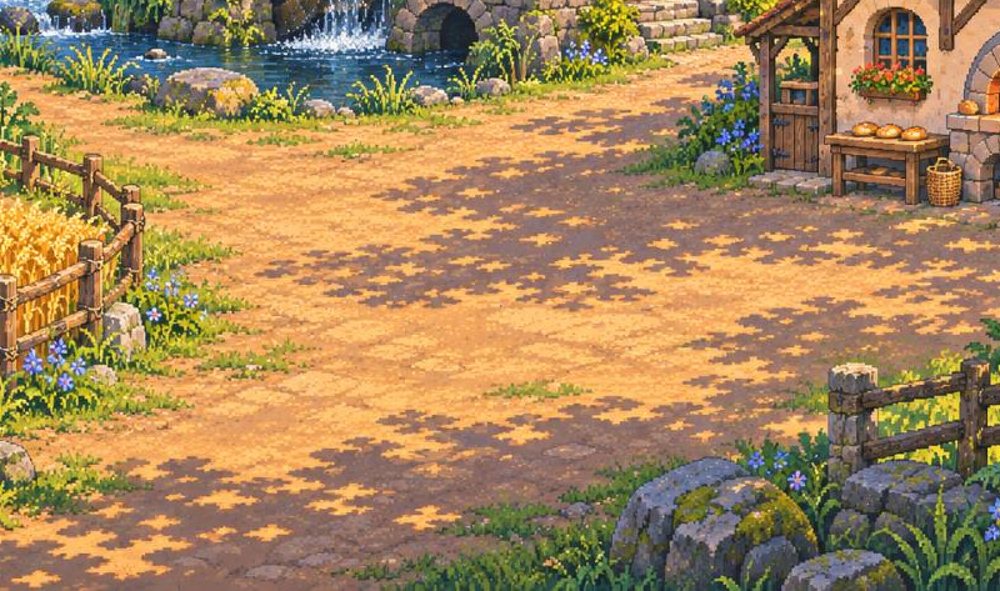
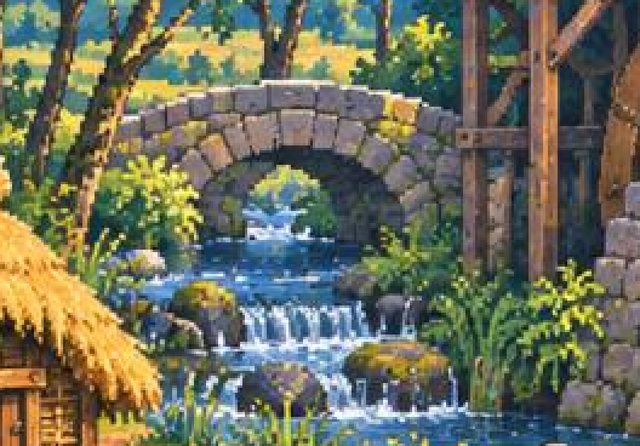
The way in
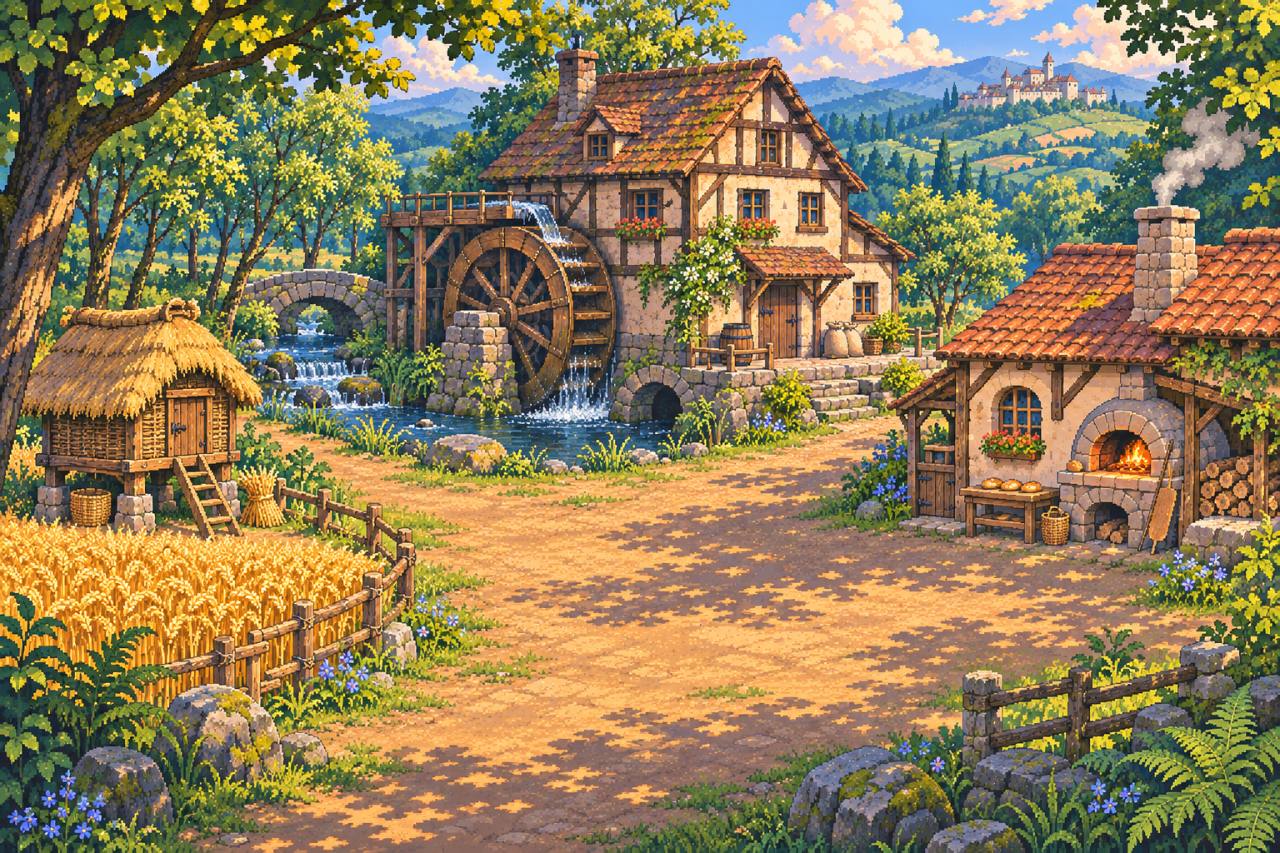
Sol is somewhere down this lane.
You can look around without signing. To walk, talk, trade and build, sign the guest book first.
You have signed the guest book. Come in.